An older building can carry several generations of masonry work: original brick, replacement units, different mortar mixes and repairs made for different reasons. Before arranging an assessment, gather what you know about the building without trying to diagnose every mark on the wall. Good preparation helps the conversation focus on the building’s needs rather than reconstructing its history from memory.
Start with the reason you are calling
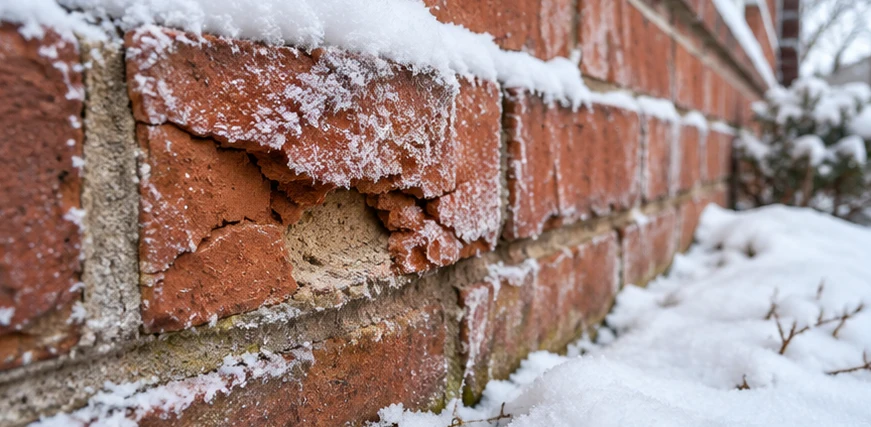
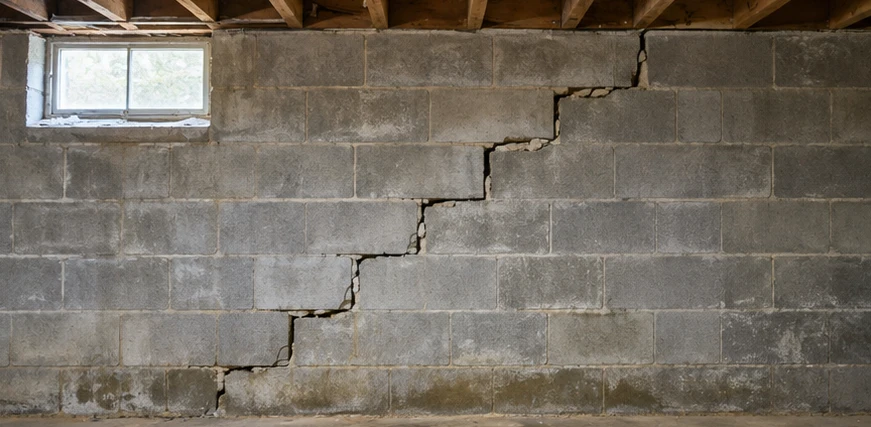
Write a short description of the concern. Is mortar falling out? Has a brick face broken away? Is there a recurring leak, a loose sill or a change near an opening? Separate what you have observed from what you think caused it. “Damp patch after wind-driven rain” is useful evidence; “the whole wall needs sealing” is already a proposed solution.
Also explain your goal. Stabilizing a deteriorated area, preserving original fabric and improving the appearance of a prominent entrance may require different priorities within a historic masonry restoration plan.
Build a small, organized photo record
Photograph each affected elevation from a safe position, then take closer views of the concern and nearby details. Include a recognizable reference such as a window or doorway so the contractor can locate the area. Label the photos by side of the building rather than sending an unorganized set of close-ups.
- Capture the entire wall, not only the damaged spot.
- Show nearby roof edges, sills, downspouts and ground conditions where visible.
- Keep earlier photographs that show how the area has changed.
- Record when a leak or falling material was noticed.
Do not climb, probe loose material or stand beneath unstable masonry to get a better view. Falling material, displaced units or a visibly changing wall warrant prompt attention and safe separation from the area.
Collect records without waiting for a perfect archive
Old estimates, invoices, drawings and material information can help explain earlier interventions. Note any known coatings, cleaning treatments, repointing or water-entry repairs. If the details are unknown, say so. A previous owner’s recollection can be a lead, but should not be treated as a verified specification.
If the property has a known historic designation or an existing review process, share that information early. Confirm applicable requirements with the relevant authority rather than assuming age alone establishes a particular approval obligation.
Make access and occupied use part of the conversation
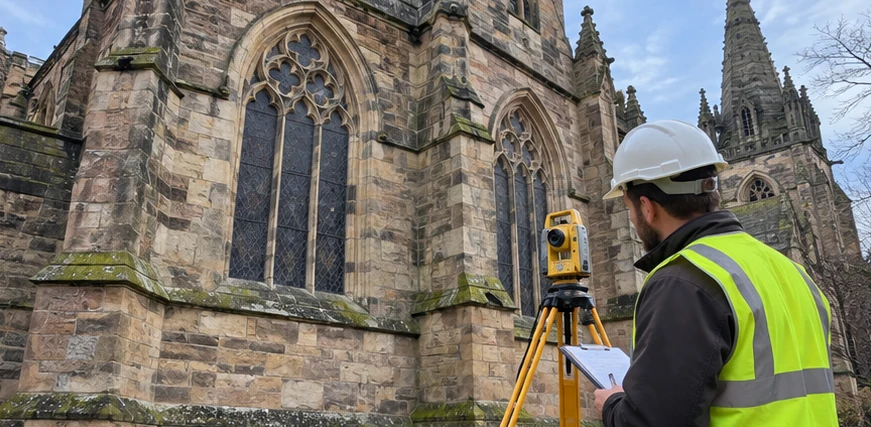
Identify locked courtyards, narrow driveways, tenant entrances and areas that cannot be interrupted. Tell the contractor whether interior access is available near the affected wall. An initial visit may not include access to every concealed or elevated condition, so ask what can reasonably be assessed at that stage.
Leave with a defined next step
Ask which observations support routine masonry repair, which need further investigation and whether a sample or specialist review is recommended. Request a distinction between confirmed conditions and assumptions. If work is proposed, the scope should identify repair areas and explain how new information will be handled.
Our guide to comparing masonry estimates can help organize that discussion. The aim of preparation is not to arrive with the answer. It is to give the assessment enough context to produce a useful, proportionate plan.
Have a repair in mind?
Send your property location, a description and clear photographs. A defined scope starts with the conditions at your building, not a generic repair prescription.
Discuss your project →General guidance only. Concealed conditions, structural questions and local approval requirements may need an on-site review or a qualified design professional.