Two masonry estimates can describe the same wall and still cover very different work. One may include removing deteriorated mortar and replacing damaged brick. Another may cover only visible joint patching. A lower total is not necessarily a better price if the scope is smaller, and a higher total is not proof of a better repair.
The most useful comparison starts with a shared description of the problem and a clear explanation of what each contractor proposes to do. Here is what to put side by side before choosing.
1. Make sure the repair areas match
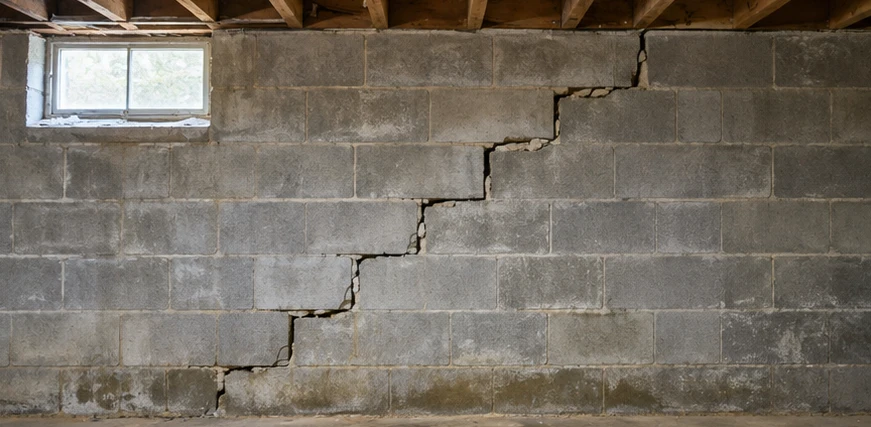
“Repoint front wall” can mean an entire elevation or selected joints within it. Ask for the affected areas to be identified in words, photographs, marked drawings or another clear format. The proposal should distinguish complete repointing from targeted work.
The same applies to brick replacement. Check whether the estimate names specific areas or includes an allowance for a quantity that will be confirmed later. You should be able to explain to someone else which parts of the building are covered without guessing.
2. Read the preparation language
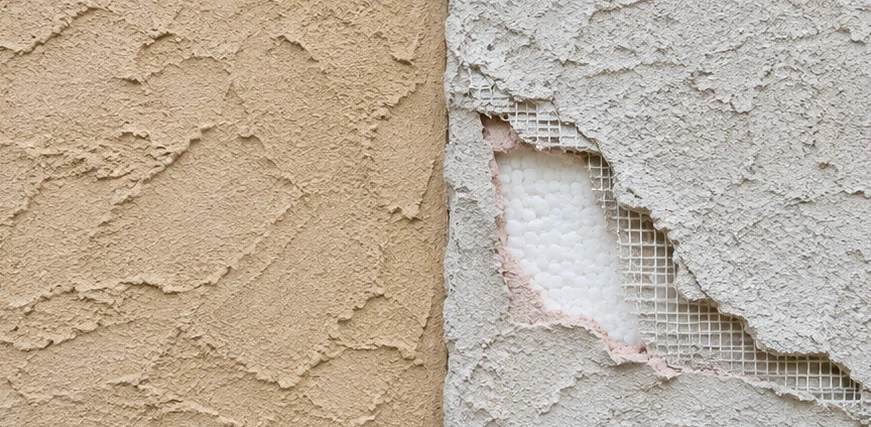
Preparation often explains why two prices differ. For repointing, ask whether deteriorated mortar will be removed and the joints prepared, rather than simply receiving a thin surface application. For replacement work, ask what removal, disposal and preparation of the surrounding area are included.
You do not need to prescribe the contractor’s technique. You do need enough information to understand the repair being offered. “Make it look better” is a different objective from addressing unsound material.
3. Discuss material and appearance expectations
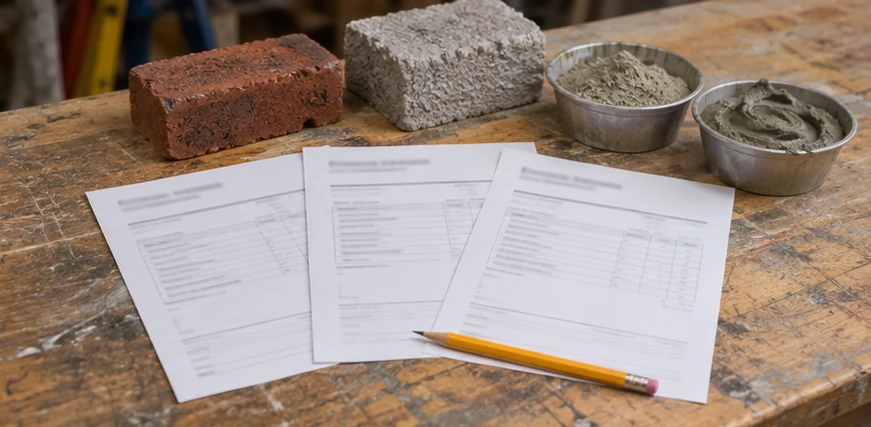
Replacement brick, mortar color, aggregate and joint profile affect the finished appearance. Confirm how materials will be selected and whether any sample or review is planned. Existing weathering may prevent an exact visual match, especially on older buildings.
Be cautious about comparing proposals based only on a named mortar type or the word “stronger.” Compatibility with the existing masonry matters. Ask why the proposed material suits this wall rather than assuming the highest-strength option is the best one.
4. Check access and protection
Working above a narrow driveway, protecting a storefront entrance or accessing a wall behind landscaping can change the cost. Scaffolding, lifts, pedestrian protection, dust controls and staging space may be important parts of the work.
Tell every bidder about the same access restrictions. For an occupied property, discuss working areas, tenant access and any business-hour limitations. An estimate based on open access should not be compared directly with one that allows for restricted access and additional protection.
5. Separate the masonry from related repairs
A damaged wall may sit beside a roofing, flashing, drainage or window issue. Determine whether the estimate includes those items, recommends separate evaluation, or excludes them. A masonry contractor’s repair scope does not automatically include every trade needed to address the building.
Ask what the contractor expects the proposed work to accomplish. If the concern is a leak, distinguish repairing visibly deteriorated masonry from confirming and correcting the complete source of water entry.
6. Understand changes before they happen
Concealed conditions can become visible during preparation. The proposal should explain how additional work will be communicated, documented and priced. Ask whether approval is required before the scope expands and who is authorized to give it.
Also compare payment milestones, scheduling assumptions and cleanup. Check any warranty language actually offered rather than assuming a standard term applies. Insurance, permits and professional design responsibilities should be clarified when relevant to the project.
A short comparison checklist
- Same repair areas and intended outcome?
- Same preparation and removal scope?
- Clear distinction between repointing and unit replacement?
- Material matching and finish expectations discussed?
- Access, protection and disposal included?
- Related trades and exclusions identified?
- Written process for changes and payment?
If an answer is missing, ask for clarification in writing before making the final comparison. That is usually more productive than asking each contractor to beat the other number.
A well-defined masonry repair scope gives both owner and contractor a shared reference. The goal is not the longest estimate. It is an estimate that makes the work, limitations and next steps understandable.
Have a repair in mind?
Send your property location, a description and clear photographs. A defined scope starts with the conditions at your building, not a generic repair prescription.
Discuss your project →General guidance only. Concealed conditions, structural questions and local approval requirements may need an on-site review or a qualified design professional.