When an older facade looks worn, replacing large areas can seem like the simplest path to a consistent finish. But visual age and material failure are different questions. A repair decision should consider what remains sound, what is deteriorating and which details give the building its character. That usually requires a more precise conversation than “restore everything” or “replace the whole wall.”
Separate appearance from condition
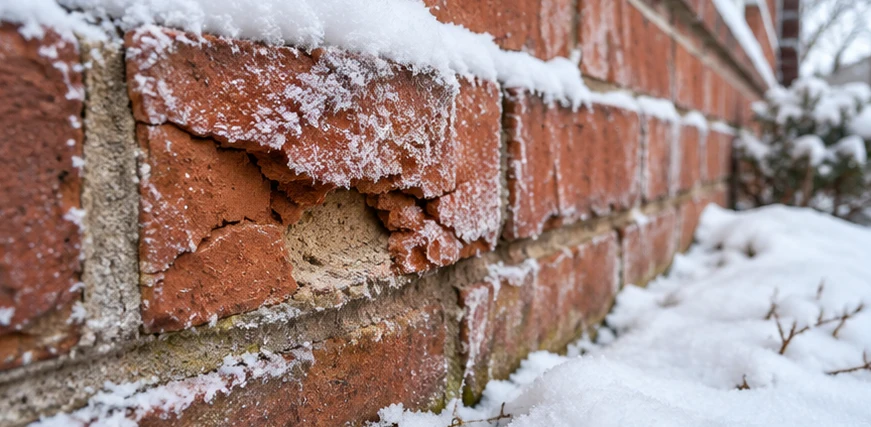
Weathering, color variation and older repairs may be visible without making every masonry unit unsuitable to remain. Conversely, a tidy surface can conceal a problem. Ask the assessment to distinguish staining or uneven appearance from deteriorated joints, damaged units, loose elements and possible movement.
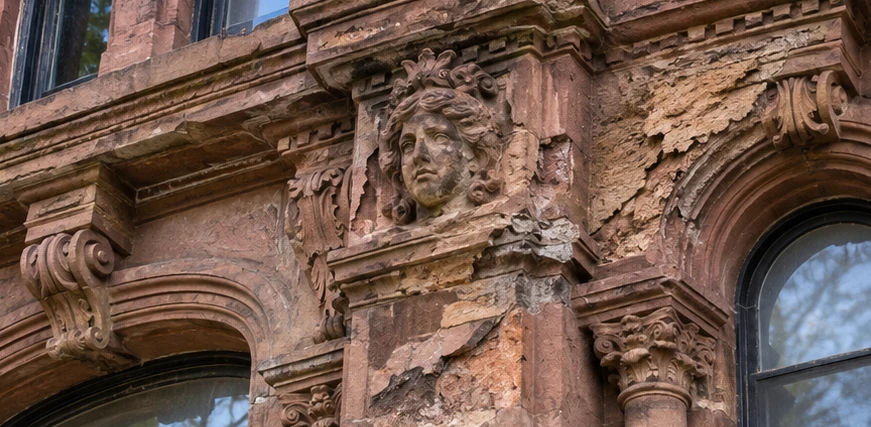
A useful historic restoration scope identifies these conditions by area. It should not assume that every brick on an elevation needs the same treatment simply because the building is old.
Consider the value of the material already there
Original brick dimensions, bond patterns, mortar joints and shaped details contribute to a facade’s appearance. Retaining sound material can preserve those relationships. Replacement units may differ in size, texture or weathering even when their color is close.
That does not make replacement inappropriate. Some units are too deteriorated to remain, and some areas need reconstruction. The question is whether the proposed extent follows the condition of the masonry and the project’s requirements, rather than a preference for making every surface look new.
Ask what each repair can accomplish
Repointing renews deteriorated mortar joints. It does not restore a brick face that has broken away or establish that a moving wall is stable. Replacing damaged units addresses a different need, while reconstruction may involve support, connections and design requirements beyond localized repair.
For a practical starting point, see repointing versus brick replacement. More than one approach may belong in the same facade scope, with clearly marked boundaries.
Do not leave recurring deterioration out of the decision
If the same area keeps failing, ask what is exposing it to damage. Nearby roof, flashing, sill, drainage or wall-top details may need review. Replacing more masonry without considering persistent wetting may leave the building with a newer version of the same problem.
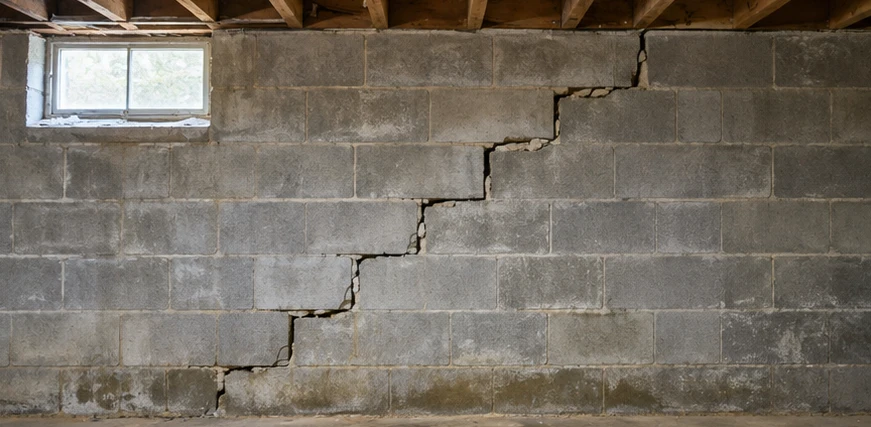
Where units are displaced, material is falling or movement is suspected, the decision may need additional professional evaluation. Keep people clear of unstable areas. Surface appearance and photographs alone cannot establish safety.
Compare options using the same criteria
- Which sound original materials remain?
- What deterioration does each option address?
- What preparation, matching and finish work is included?
- Are related water-management details included or separate?
- Does the scope require design, samples, testing or approvals?
- How will concealed conditions affect the decision?
For a property with known historic oversight, confirm applicable review requirements before irreversible work. Do not assume that a contractor’s estimate itself resolves those requirements.
Choose a scope, not a slogan
A proportionate masonry repair plan can combine retention, selective replacement and other necessary work. Ask for the reasoning behind the limits and a process for revising them if preparation reveals more damage. The best-supported decision is the one tied to the actual facade, not a blanket rule that old material must always stay or always be replaced.
Have a repair in mind?
Send your property location, a description and clear photographs. A defined scope starts with the conditions at your building, not a generic repair prescription.
Discuss your project →General guidance only. Concealed conditions, structural questions and local approval requirements may need an on-site review or a qualified design professional.